A strange scratching in the attic, a sudden swarm near the porch, or unexplained damage to your yard can turn an ordinary week into a stressful ordeal. Many homeowners try to handle these situations themselves, only to discover that wildlife problems often have hidden layers that go beyond simple removal. Some issues affect your home’s structure, utilities, or even property boundaries, requiring specialized expertise you may not have considered. Understanding when a wildlife issue calls for professional help can save you time, money, and unnecessary risk.
Sudden Swarms and Stinging Insect Colonies
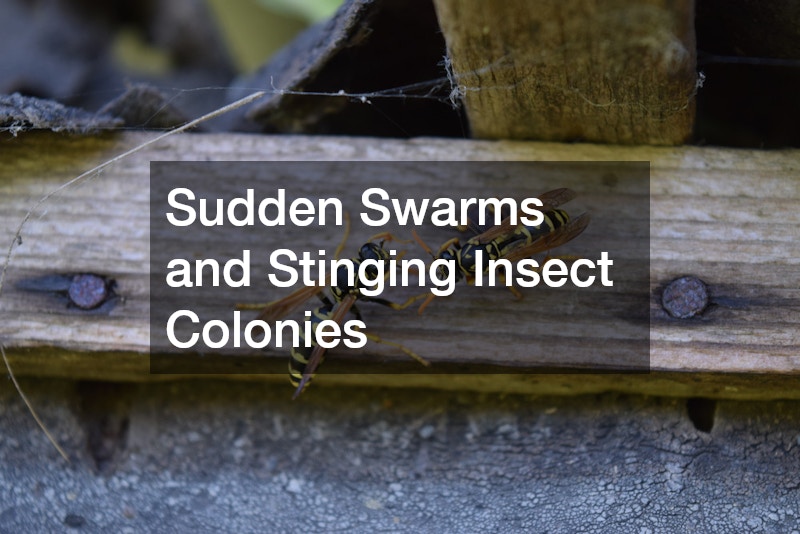
A swarm of bees or wasps appearing seemingly overnight is one of the most common unexpected wildlife issues homeowners face. These colonies can establish themselves in wall voids, eaves, sheds, attics, or even underground, and a single nest can grow from a few dozen insects to several thousand in just a matter of weeks. Yellow jackets, in particular, are notorious for building large underground nests that go unnoticed until someone accidentally disturbs the entrance while mowing or gardening.
Attempting to knock down a hive or spray it yourself can provoke an aggressive response, especially if the colony has been established for a while or the nest is hidden inside a structure. Store-bought sprays often only kill the insects on contact, leaving the queen and the bulk of the colony intact and angrier than before. Worse, a disturbed nest inside a wall can send insects pouring into your living space through outlets or light fixtures.
Professional bee removal specialists know how to safely relocate or eliminate a hive without putting your family or pets at risk. They can also identify the species involved, which matters since honeybee colonies are often relocated rather than exterminated due to their ecological importance, while wasp and hornet nests are typically removed outright. A thorough job also includes sealing entry points and removing leftover comb or nesting material, since residual scent can attract new colonies the following season.
Beyond the immediate danger of stings, an untreated colony can cause structural damage over time as wax and honeycomb accumulate inside walls. A single honeybee colony can produce several pounds of wax and comb in a single season, and as it melts or shifts, it can stain drywall, warp trim, and even seep through paint. Removing an active hive without addressing this buildup often leaves homeowners with a bigger mess than the insects themselves caused.
This accumulation doesn’t just sit quietly, either. Leftover wax and honey can attract secondary pests like ants, carpet beetles, and even rodents looking for an easy food source, compounding the original problem. If left unaddressed long enough, decomposing comb and trapped insects can also produce a persistent, unpleasant odor that lingers well after the swarm is gone.
A trained technician will also inspect for secondary entry points that allowed the insects inside in the first place, such as gaps around soffits, unscreened roof vents, or deteriorating weep holes in brick veneer. Sealing these access points is just as important as removing the colony, since an untreated opening often invites a new swarm the following season.
Wildlife Damage to Cooling and Ventilation Systems
Squirrels, raccoons, and birds often see outdoor HVAC units and ductwork as inviting shelter, especially during extreme weather. Wiring can get chewed through, insulation shredded, and condenser fins bent or blocked by nesting materials. What starts as a wildlife nuisance can quickly become a mechanical failure that leaves your home without cooling during the hottest months.
If you notice your system running inefficiently or making unusual noises after evidence of animal activity, it is worth scheduling AC repair before the problem worsens. Technicians can identify whether wiring needs replacing, refrigerant lines are compromised, or the unit requires a more extensive overhaul.
- Chewed wires that create electrical shorts or fire hazards
- Nesting debris blocking airflow and reducing efficiency
- Damaged insulation around ductwork leading to energy loss
- Foul odors from droppings circulating through vents
Burrowing Animals and Underground Utility Lines
Groundhogs, moles, voles, and other burrowing animals can create extensive tunnel systems that compromise underground utilities without any obvious surface warning. A single groundhog burrow can extend 25 to 30 feet underground with multiple entry and exit points, while mole tunnels, though shallower, can crisscross a yard in a matter of weeks. These networks can shift soil density enough to expose or stress buried electrical lines, gas pipes, and water mains, sometimes leading to leaks or outages that seem to appear out of nowhere.
One area that often gets overlooked is the septic system, since tunnels can undermine the soil around tanks and drain fields. Burrowing animals are drawn to this area because the soil is often looser and warmer than surrounding ground, making it easier to dig. Over time, their tunnels can create voids that cause tank lids to shift, pipes to separate, or drain field lines to sag unevenly.
If burrowing activity is discovered near your septic components, it is wise to have septic tank pumping performed afterward to check for damage and prevent backups. A professional can also inspect the tank lid, baffles, and connecting pipes for cracks or gaps that animals may have exposed. Catching these issues early, before heavy rain or freezing temperatures worsen the ground movement, can save homeowners from a far more costly excavation and repair project down the line.
Burrowing animals like groundhogs, moles, and voles often tunnel three to five feet underground, with some den systems stretching twenty feet or more in search of food and shelter. These tunnels can undermine the soil supporting septic tanks, causing them to shift, settle unevenly, or crack over time. Buried gas lines, sewer pipes, and electrical conduits are equally vulnerable, since even a partially collapsed tunnel can create pressure points that lead to leaks or breaks.
Left unchecked, this kind of damage rarely stays minor. A cracked sewer line can contaminate soil and groundwater, while a compromised gas line poses a serious safety hazard that may require emergency repair. Homeowners sometimes don’t notice a problem until they see soggy patches in the yard, a sudden spike in their utility bill, or a faint smell of gas near the property line.
A professional inspection after wildlife activity gives you a clear picture of whether underground systems are still functioning properly. This may involve camera scoping of pipes, pressure testing on gas lines, or a visual check of the septic tank’s position and seals. Catching an issue early, before it turns into a full-scale utility failure, can save thousands of dollars in excavation and repair costs.
Animals Nesting in Trees Near Your Home
Trees close to your house are prime real estate for squirrels, raccoons, and birds looking for shelter, and their nests can sometimes go unnoticed for months. Overgrown or dead branches also provide easy access points for animals trying to reach your roof or attic. Regularly scheduled tree care services can help identify weak limbs, active nests, and overhanging branches that give wildlife a direct path into your home.
Trimming back branches that touch or hang over the roofline is one of the simplest ways to reduce animal traffic near vulnerable entry points. Arborists can also spot signs of decay or disease that might make a tree more attractive to burrowing insects or nesting animals.
- Overhanging limbs that touch rooflines or gutters
- Hollow or decaying trunks that attract nesting wildlife
- Dense canopies that hide animal activity from view
- Root systems that may intersect with underground utilities
Cleaning Up After an Infestation Is Resolved
Once wildlife has been removed from a property, the aftermath often includes damaged insulation, droppings, nesting materials, and sometimes even structural debris. This cleanup can be extensive, particularly if animals had been living in an attic or crawlspace for an extended period, since raccoons, squirrels, and birds can compact months’ worth of waste into hidden corners. Insulation soaked in urine or feces typically can’t be salvaged and must be bagged and hauled away, along with any splintered wood or drywall the animals chewed through.
Homeowners are often surprised by just how much material comes out of a single infestation site—full-size contractor bags can fill up quickly, and larger jobs may produce several cubic yards of debris. Renting a dumpster is a practical solution for dealing with these large volumes of contaminated material, especially when local trash pickup services won’t accept soiled insulation or animal waste. A 10 or 15-yard dumpster is usually sufficient for a single attic cleanout, while whole-house infestations or long-term nesting situations may call for something larger.
It’s also worth checking whether the contaminated debris qualifies as biohazard waste in your area, since some municipalities have specific disposal rules for materials exposed to animal droppings, particularly from rodents or bats. A dumpster rental company familiar with these situations can advise on liners, weight limits, and disposal requirements so the cleanup stays both efficient and compliant.
Dumpster rentals make it easier to dispose of soiled insulation, damaged drywall, and other debris in one trip rather than making multiple runs to a local disposal site. This is especially helpful when a wildlife issue has caused damage across several rooms or an entire attic space. A 10 or 15-yard dumpster is often enough for a single-room cleanup, while larger infestations affecting insulation, subflooring, and multiple walls may call for a 20 or 30-yard container.
Beyond convenience, dumpster rentals also help with proper disposal of contaminated materials. Insulation and drywall exposed to droppings, urine, or nesting debris can carry bacteria, mold spores, or parasites, so many local haul-away services require these materials to be bagged separately before they go into the bin. Homeowners should also check whether their rental company has any restrictions on hazardous or biologically contaminated waste, since some regions require special handling or a separate permit for animal-damaged materials.
When Wildlife Activity Signals Structural Concerns
Persistent burrowing near a foundation or repeated animal intrusion through the same wall section can sometimes point to a deeper structural issue, such as settling soil or shifting foundation elements. In these cases, a civil engineer surveyor can assess whether the ground movement is contributing to easy animal access or creating gaps that keep reappearing no matter how many times they are sealed. This kind of assessment is particularly useful if you notice cracks in exterior walls alongside ongoing wildlife problems.
A surveyor’s report can also clarify whether property line issues are contributing to the problem, especially if burrows or dens originate from a neighboring lot or drainage easement. Having this documentation on hand is useful if disputes arise about who is responsible for addressing the source of the activity.
Renovations That Accidentally Invite Wildlife In
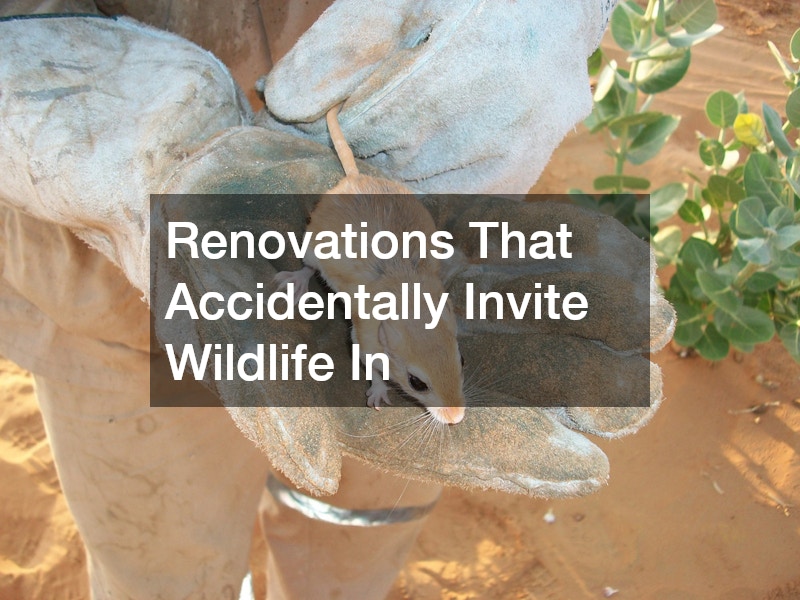
Home expansions and additions can unintentionally create new opportunities for animals to get inside, particularly if construction leaves gaps around new rooflines, vents, or foundation transitions. A qualified home addition contractor will know how to properly seal these transition points so that squirrels, mice, or raccoons cannot exploit them once the project is finished. This is especially important around soffits, chimneys, and areas where old and new construction meet.
If you are planning an expansion and have dealt with wildlife issues in the past, mention this history to your contractor before work begins. They can incorporate additional sealing measures or wildlife-resistant materials into the design to reduce the likelihood of repeat problems.
Repairing Kitchen Damage Caused by Rodents or Pests
Rodents and other small animals sometimes find their way into kitchens through gaps around pipes or cabinetry, leaving chew marks, droppings, or moisture damage on surfaces. In more severe cases, countertops can suffer scratches, stains, or warping that no amount of cleaning will fully restore. Homeowners in this situation often decide to invest in custom countertops that not only replace the damaged surface but also allow for a more animal-resistant design with fewer gaps around edges.
A quartz countertop is a popular choice for this kind of replacement because it is non-porous, resistant to scratches, and easier to seal tightly against the cabinetry below. This reduces the small crevices that pests often use to access food sources or nesting materials near the kitchen. Choosing a durable surface now can prevent similar damage from becoming a recurring issue.
Restoring Cabinetry After Wildlife Intrusion
When animals have chewed through cabinet bases or left lingering odors inside enclosed spaces, replacement is sometimes more practical than repair. Visiting local cabinet showrooms allows homeowners to compare materials and finishes that are more resistant to moisture and pests than older, softer wood options. Many showrooms also offer guidance on hardware and sealing techniques that make cabinets less inviting to rodents in the future.
Taking time to explore different layouts and materials during this process can also improve kitchen functionality, turning an unfortunate wildlife incident into an opportunity for a practical upgrade. Ask showroom staff about moisture-resistant backing and tightly sealed baseboards, since these features make it much harder for pests to find their way back in.
Unexpected wildlife problems rarely stay contained to a single, simple fix, and many of them touch on plumbing, structural, or renovation concerns that go beyond basic pest control. Recognizing these connections early helps you avoid repeat issues and more costly repairs down the road. If you are currently dealing with an animal intrusion, take stock of any damage to your home’s systems or surfaces before deciding which professionals to call. Addressing both the animals and the aftermath thoroughly is the best way to protect your home for the long term.