Key Takeaways
- Start with a small garden so watering, weeding, and other maintenance tasks remain manageable while you learn.
- Study sunlight, soil, climate, and moisture conditions before choosing plants for your garden.
- Give plants enough space to mature and follow recommended spacing guidelines to prevent overcrowding.
- Water according to actual soil and weather conditions rather than following the same schedule every day.
- Use mulch properly and remove weeds early to reduce maintenance and protect growing plants.
- Check plants regularly for pests, disease, discoloration, and other signs of stress.
- Keep simple garden records so you can learn from each growing season and make better planting decisions.
Starting a garden can improve your outdoor space and give you a rewarding hobby. Whether you want to grow flowers, vegetables, herbs, or shrubs, learning a few basic gardening skills can make the process much easier.
Beginners often make gardening more complicated than it needs to be. The best approach is to understand your yard, choose suitable plants, and build simple maintenance habits. These 15 tips can help you create a healthy garden without feeling overwhelmed.
1. Start With a Small Garden
It can be tempting to fill a large part of your yard with plants right away. However, bigger gardens require more watering, weeding, pruning, and general maintenance. Starting small gives you time to learn without creating too much work.
Choose one flower bed, raised bed, or group of containers for your first project. Once you understand how much maintenance your garden requires, you can gradually expand it.
Good beginner options include:
- One small raised garden bed
- Three to five containers
- A small herb garden
- One existing flower bed
A smaller garden is usually easier to maintain consistently. It can also help you discover which plants and gardening tasks you enjoy most.
2. Study How Sunlight Moves Through Your Yard
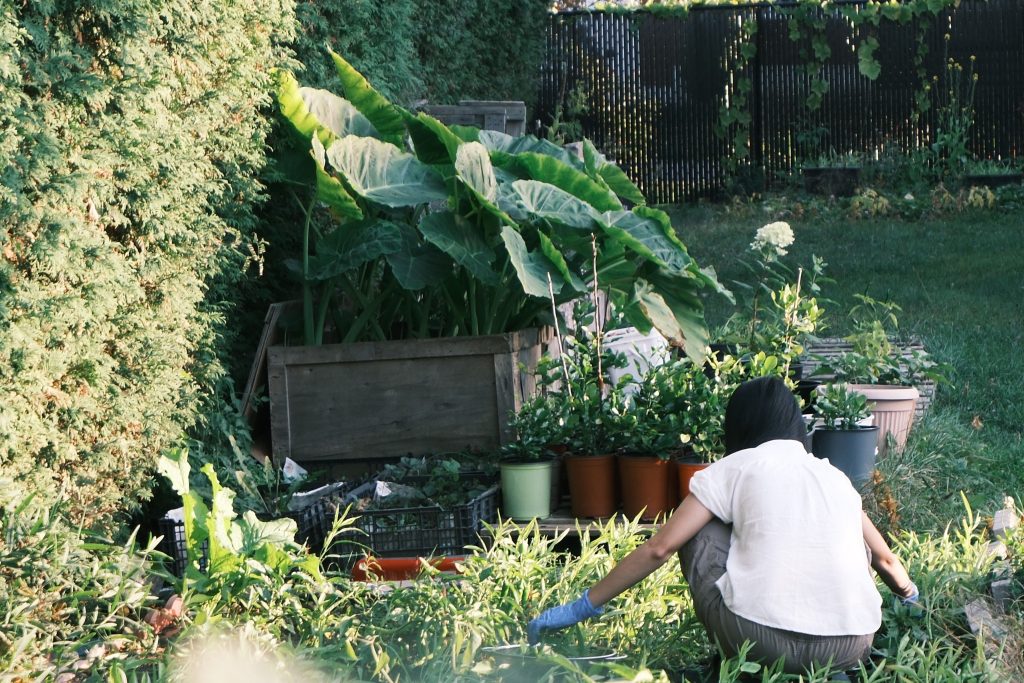
Sunlight plays an important role in plant growth. Some plants need several hours of direct sunlight, while others grow better with partial shade.
Observe your yard at different times of day before choosing where to plant. Trees, fences, buildings, and other structures can create shade that changes as the sun moves.
When studying your yard, check:
- Morning sunlight
- Afternoon sunlight
- Areas with all-day shade
- Seasonal shade from trees
Compare your observations with the light requirements listed on plant labels or seed packets. Matching plants to existing sunlight conditions is much easier than trying to make unsuitable plants survive.
3. Learn What Type of Soil You Have
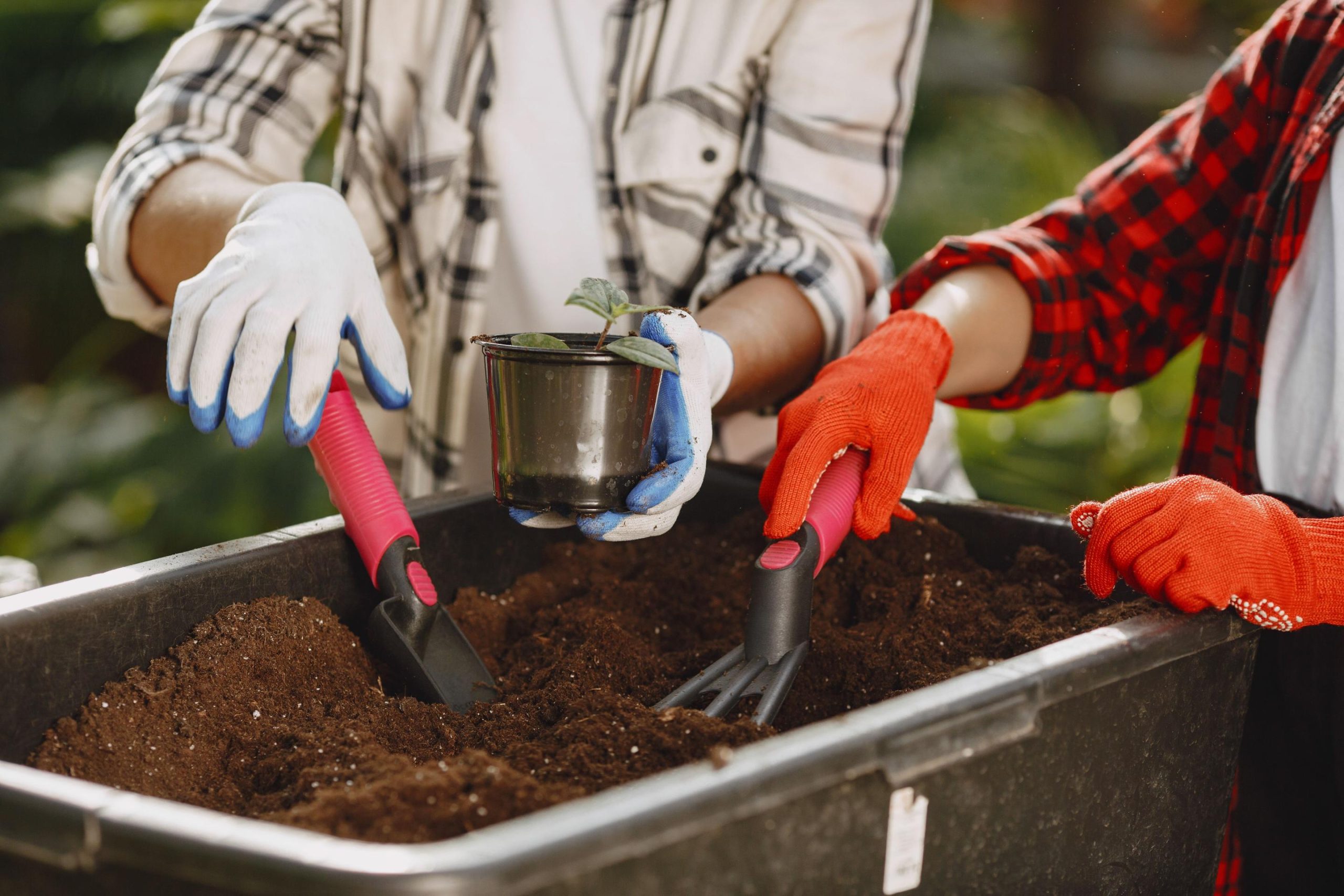
Healthy soil provides roots with water, air, nutrients, and physical support. However, soil conditions can vary greatly between properties and even between different areas of the same yard.
Some soils contain heavy clay and drain slowly, while sandy soil may lose moisture quickly. Testing your soil can provide useful information about its pH and nutrient levels.
Before planting, consider:
- Testing the soil
- Checking how quickly water drains
- Removing large rocks and debris
- Adding finished compost when appropriate
Avoid adding large amounts of fertilizer before understanding what your soil needs. Improving the soil gradually can provide a healthier foundation for your plants.
4. Choose Plants That Match Your Conditions
A plant may look beautiful at a garden center but still be a poor choice for your yard. Consider your climate, soil, sunlight, moisture, and available space before buying.
Research how large each plant will become when mature. Small nursery plants can eventually grow several feet tall or wide, creating problems when planted too close to buildings or walkways.
Consider these factors when choosing plants:
- Local climate
- Sun exposure
- Soil conditions
- Mature plant size
- Water requirements
Plants suited to your growing conditions generally require less effort to maintain. Native or locally adapted plants may also be worth considering.
5. Leave Enough Space Between Plants
New plants often look small, which can encourage beginners to place them too close together. The garden may look fuller immediately, but overcrowding can create problems later.
Plants need enough room for their roots and leaves to develop. Proper spacing can also improve airflow and make watering, pruning, and weeding easier.
When planting, remember to:
- Check mature plant size
- Follow recommended spacing
- Leave access for maintenance
- Keep plants away from structures when necessary
Your new garden may initially look somewhat empty. Give the plants time to grow rather than filling every open space immediately.
6. Water Plants Carefully
Water is essential, but too much can be just as harmful as too little. Constantly wet soil may damage the roots of plants that require good drainage.
Instead of watering automatically every day, check the soil. Weather, rainfall, plant type, and soil conditions can all affect how frequently watering is necessary.
For better watering habits:
- Check soil moisture first
- Water near the plant’s base
- Water thoroughly when appropriate
- Adjust watering after rainfall
- Watch plants for signs of stress
Morning is often a convenient time to water because temperatures are cooler. Newly planted gardens may require closer attention until roots become established.
7. Pay Attention to Yard Drainage
A healthy garden needs both water and proper drainage. After heavy rain, inspect your yard and notice where water collects or how quickly it drains away.
Persistent standing water may harm plants that prefer well-drained soil. Drainage should therefore be considered as part of broader backyard water management, especially when runoff collects near garden beds, patios, or the home’s foundation.
Watch for problems such as:
- Standing water
- Soil erosion
- Soggy garden beds
- Runoff near structures
- Washed-out mulch
Solutions may include improving soil, changing plant choices, creating rain gardens, or addressing grading problems. Serious drainage issues near a foundation may require professional advice.
8. Apply Mulch Properly
Mulch can reduce weeds, help soil retain moisture, and protect the soil surface from temperature changes. Organic materials may also break down gradually and contribute to the soil.
However, using too much mulch can cause problems. Avoid creating deep piles around tree trunks and plant stems because trapped moisture may contribute to decay.
When using mulch:
- Spread it evenly
- Keep it away from trunks
- Avoid extremely deep layers
- Replace it only when needed
Check mulched areas throughout the growing season. Mulch can shift, break down, or become compacted and may need occasional adjustment.
9. Read Plant Labels Before Buying
Plant labels provide valuable information about how a plant should be grown. Reading them before buying can prevent many beginner mistakes.
Labels often explain how much sunlight and space a plant needs. They may also provide information about mature size, watering, flowering, and general care.
Check labels for:
- Sunlight requirements
- Mature height and width
- Recommended spacing
- Water needs
- Growing conditions
Keep labels after planting or take photos with your phone. Having this information available later can make plant care much easier.
10. Remove Weeds While They Are Small
A few weeds can quickly become a much larger problem. Weeds compete with garden plants for water, nutrients, sunlight, and growing space.
Check your garden regularly and remove weeds while they are still small. After rain or watering, weeds may be easier to pull because the soil is softer.
For easier weed control:
- Inspect beds every week
- Pull weeds before they produce seeds
- Remove roots when possible
- Maintain an appropriate mulch layer
Short, regular weeding sessions are usually easier than spending an entire day clearing an overgrown garden. Consistency can keep weeds from taking over.
11. Avoid Using Too Much Fertilizer
Fertilizer can provide important nutrients, but more fertilizer does not automatically produce healthier plants. Applying too much can damage plants and may contribute to environmental problems.
Do not assume that every yellow leaf or struggling plant needs fertilizer. Poor growth can also result from incorrect watering, pests, disease, poor drainage, or unsuitable sunlight.
Before fertilizing:
- Identify the possible problem
- Consider testing the soil
- Read product directions
- Measure fertilizer carefully
- Follow plant-specific recommendations
Focus first on creating healthy growing conditions. Fertilizer should support proper garden care rather than replace it.
12. Inspect Plants for Pests and Disease
Regularly looking at your plants can help you identify problems before they spread. Spend a few minutes each week checking leaves, stems, flowers, and nearby soil.
Look at both sides of leaves because insects and signs of disease may be hidden underneath. However, remember that not every insect in your garden is harmful.
Watch for:
- Holes in leaves
- Unusual spots
- Discoloration
- Damaged stems
- Unexpected wilting
Identify the cause before applying pesticides or other treatments. Using the wrong product may not solve the problem and could affect beneficial insects.
13. Buy Only the Gardening Tools You Need
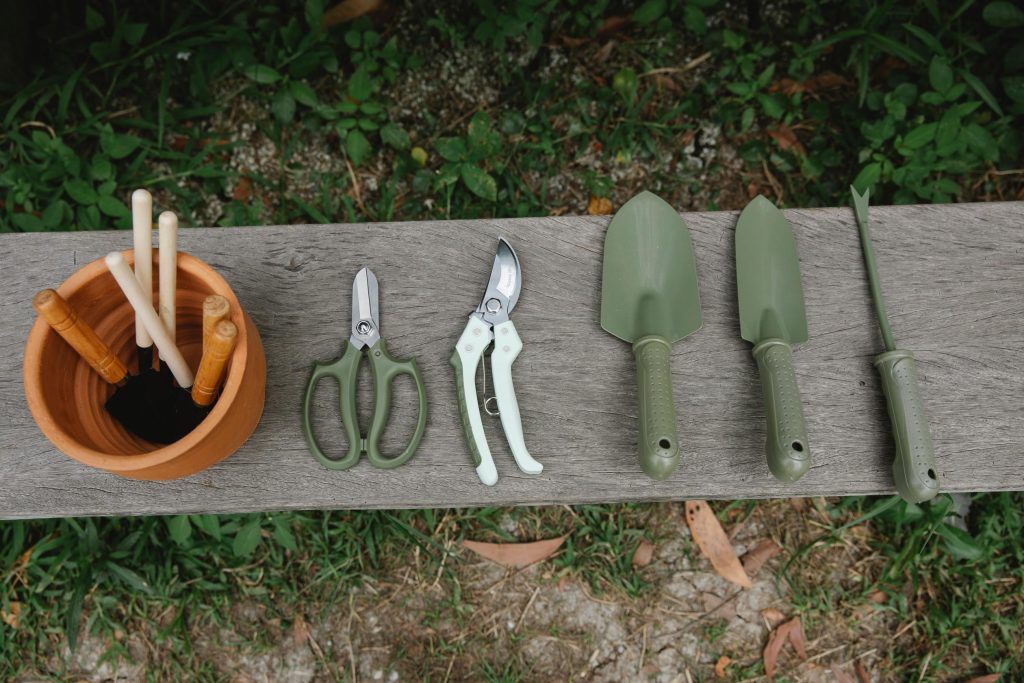
You do not need an expensive collection of tools to start gardening. A few basic tools can handle most beginner projects.
Choose tools that feel comfortable and suit the type of garden you have. Clean them after use and store them somewhere dry.
Useful beginner tools may include:
- Gardening gloves
- Hand trowel
- Pruning shears
- Shovel
- Rake
- Watering can or hose
Wait before buying specialized equipment. Once you have more gardening experience, you will have a better idea of which additional tools are actually useful.
14. Keep Simple Records of Your Garden
It can be difficult to remember what you planted, when flowers appeared, or which vegetables performed well. Keeping simple records makes that information easier to use next season.
You can use a notebook, calendar, spreadsheet, or phone. Taking photos throughout the growing season is another easy way to track changes.
Consider recording:
- Plant names
- Planting dates
- Plant locations
- Pest problems
- Flowering or harvest times
- Plants that performed well
Your records do not need to be complicated. A few useful notes can help you repeat successful choices and avoid making the same mistakes next year.
15. Be Patient With Your Garden
Gardening takes time. Seeds need to germinate, roots need to become established, and many plants take months or even years to reach their mature size.
Not every plant will succeed. Weather changes, pests, unsuitable locations, and other conditions can sometimes cause plants to struggle even when you provide regular care.
When something goes wrong, ask:
- Did the plant receive enough light?
- Was the soil too wet or dry?
- Did it have enough growing space?
- Were pests present?
- Was the weather unusually severe?
Treat unsuccessful plants as learning opportunities rather than failures. Each growing season gives you more information about your yard and helps you become a more confident gardener.
Build a Garden You Can Maintain
A successful garden does not need to be large or complicated. Beginners often get better results by starting small, choosing plants carefully, and learning how sunlight, water, soil, and drainage affect their yard.
Regular maintenance is usually easier than fixing problems after they become serious. Spend a little time each week watering when needed, removing weeds, inspecting plants, and making small adjustments.
Keep these habits in mind:
- Choose plants suited to your yard
- Maintain healthy soil
- Water based on actual conditions
- Watch for pests and disease
- Make gradual improvements
Most importantly, give yourself time to learn. Gardens change throughout the year, and experience will help you understand what works best in your outdoor space. With patience and consistent care, you can create a garden that becomes healthier, easier to maintain, and more enjoyable each season.