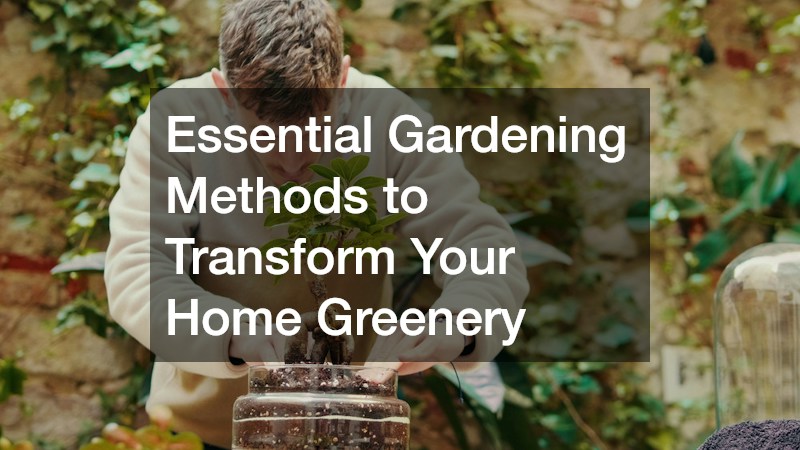
The modern approach to home greenery extends far beyond simple lawn mowing or keeping a few potted plants on a window sill. Homeowners today view their outdoor spaces as living ecosystems that combine natural growth with functional architectural design. Cultivating a thriving, resilient garden requires a deep understanding of how living soil, water dynamics, plant biology, and hardscape features interact across every season.
When you take a structured approach to home cultivation, every corner of your property gains value. Rather than treating plant care as a series of isolated chores, adopting proven gardening methods helps build a self-sustaining environment that minimizes ongoing labor, conserves water, and supports vibrant foliage year-round. From building nutrient-rich soil beds to managing subterranean drainage, taking a comprehensive view ensures your investment yields long-term visual and practical rewards.
Whether you are managing an expansive backyard, a sloped suburban lot, or a compact urban space, the right techniques make all the difference. By combining proper ground preparation, smart irrigation, vertical growing strategies, and timely maintenance, you can turn any home plot into a healthy, green sanctuary.
Preparing Foundation Beds and Managing Soil Dynamics
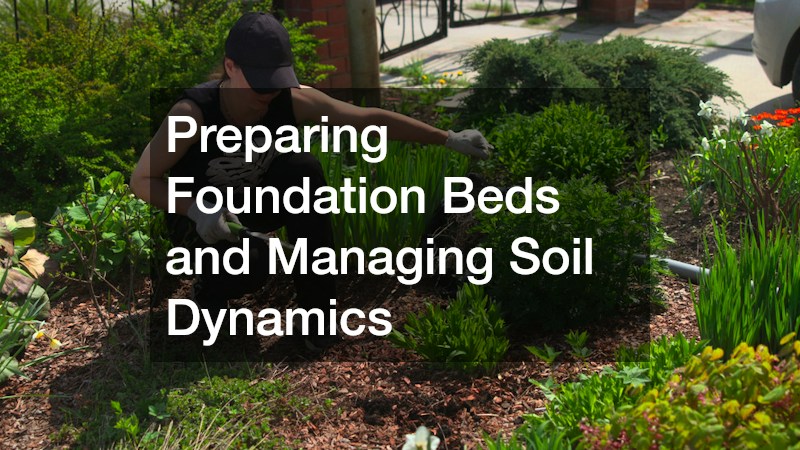
Healthy soil serves as the baseline for every successful garden project. Without a strong soil structure rich in organic matter, plants struggle to establish deep root systems, remain vulnerable to drought, and suffer from nutritional deficiencies. Preparing foundation beds begins by evaluating soil composition, checking for compaction, and determining whether your ground leans toward heavy clay, coarse sand, or balanced loam.
To build an optimal growing environment, apply thick layers of compost, well-rotted leaf mold, and organic conditioners into topsoil. Turning or broadforking these amendments into the soil improves aeration, feeds beneficial soil microbes, and promotes strong root penetration. Balancing soil pH is equally critical, as acidic or overly alkaline ground blocks essential nutrients like nitrogen, phosphorus, and potassium from reaching plant roots. Incorporating organic matter buffers the pH naturally while improving the cation exchange capacity of the soil, ensuring that nutrients remain available to hungry root hairs during peak growing phases.
Protecting your soil surface requires consistent top-dressing:
- Moisture Insulation: Spreading a thick layer of dark organic mulch insulates delicate root zones from summer heat waves and severe winter freezes while moderating soil surface temperatures.
- Weed Suppression: Smothering weed seeds beneath an organic blanket prevents unwanted vegetation from stealing water, sunlight, and vital soil nutrients from young plants.
- Erosion Control: Reducing heavy rain impact prevents topsoil washouts, stops soil crusting, and keeps sensitive root crowns safely covered during intense downpours.
- Organic Decomposition: Allowing organic top-dressing materials to break down slowly over time continuously enriches the soil structure beneath with valuable humus.
- Temperature Regulation: Maintaining an insulated soil surface prevents rapid freeze-thaw cycles in late winter, which can heave shallow-rooted perennials out of the ground.
Equipping yourself with sturdy manual equipment makes soil preparation far more efficient. Visiting a local hardware and tools provider gives you access to quality spades, heavy-duty broadforks, soil test kits, and wheelbarrows needed to move bulk soil amendments and set up high-yielding planting zones across your property. Having access to heavy-duty digging equipment allows you to break up hardpan subsoil layers that restrict drainage and root growth, setting up your garden for multi-year success.
Mastering Subterranean Drainage and Water Conservation
Proper water management is essential for long-term plant health. Excess standing water chokes root systems by depriving them of vital oxygen, leading to root rot and fungal soil infections. Conversely, poor water retention causes plants to wither during dry spells. Achieving balance requires directing water flow efficiently across your property while ensuring the water applied to your plants is clean, oxygenated, and chemical-free.
Low-lying lawn sections, heavy clay zones, and roof runoff entry points often trap standing water after storms. Resolving severe drainage issues requires installing dedicated underground water channels that capture subsurface saturation and move it away from sensitive planting zones before damage occurs:
- Excavation Planning: Digging sloped trench routes that lead excess groundwater safely away from plant roots, foundation walls, and heavy traffic zones.
- Geotextile Lining: Lining trenches with permeable fabric filters to prevent fine silt, soil particles, and clay from clogging drainage stone over time.
- Aggregate Cushioning: Filling trenches with washed river gravel to surround perforated collection pipes for maximum water absorption and uninterrupted flow.
- Subsurface Discharge: Directing captured water toward rain gardens, dry wells, or municipal storm drains to prevent surface pooling in planting beds.
- Grading Alignment: Ensuring smooth ground contours around the drainage path so surface runoff glides effortlessly toward the collection trench.
Executing a proper french drain installation prevents root drownings, stops soil compaction, and keeps garden beds workable even during wet seasonal transitions. By managing water table levels below ground, you allow plant roots to dig deeper without encountering waterlogged soil layers that encourage anaerobic bacterial growth.
Water quality matters just as much as water volume. Municipal tap water often contains harsh treatment chemicals like chlorine and chloramines, which can harm beneficial soil micro-organisms and delicate mycorrhizal fungi over time. Installing a dedicated water purification system for outdoor taps filters out these harsh additives, delivering clean, oxygenated water that protects delicate soil biomes and promotes vibrant, disease-resistant leaf growth. Clean water allows beneficial bacteria in the soil to flourish, breaking down organic materials into bioavailable plant food naturally.
Maximizing Small Spaces and Vertical Growing Systems
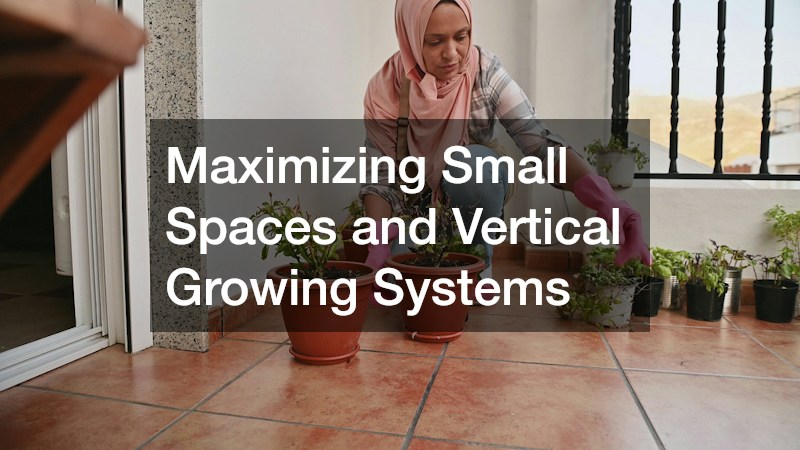
Limited outdoor space should never restrict your gardening ambitions. Urban patios, small yards, and apartment balconies offer prime real estate for growing flowers, herbs, and compact food crops when you utilize vertical cultivation strategies. Thinking vertically allows you to double or triple your growing surface area while adding dynamic visual interest to plain exterior walls, fences, and outdoor structures.
Utilizing raised architectural structures lets you layer greenery into distinct tiers. Securing sturdy planter boxes directly onto a balcony railing expands growing room, positioning trailing vines, compact dwarf tomatoes, and flowering annuals where they receive maximum sunlight without taking up valuable floor space. Vertical planters also improve air circulation around plant foliage, reducing the likelihood of fungal diseases like powdery mildew that thrive in stagnant, crowded growing environments.
Combining vertical elements with structured masonry creates clear transitions between living zones and planting beds:
- Tiered Retaining Walls: Building stepped stone planter beds on sloped yards to create level, easily workable planting terraces that prevent topsoil erosion.
- Custom Stone Pathways: Laying flagstone or paver walkways between garden zones to reduce foot traffic on exposed soil and protect root zones from compaction.
- Architectural Boundaries: Framing garden beds with clean masonry borders to keep gravel, lawn grass, and topsoil from spilling onto open outdoor living areas.
- Integrated Planters: Molding concrete or brick seating walls with built-in planter boxes to maximize seating and greenery simultaneously in tight spaces.
- Vertical Trellis Frames: Anchor sturdy wooden or metal trellises against hardscape walls to support heavy climbing crops like pole beans, squash, and climbing roses.
Collaborating on custom hardscape design features helps integrate vertical garden planters, stone pathways, terrace walls, and patio boundaries seamlessly into your home’s exterior aesthetic. Structured masonry anchors the organic shapes of plants, creating a balanced, professional landscape that looks curated throughout all four seasons.
Applying Sustainable and Integrated Plant Defense
A healthy garden requires constant defense against environmental stressors, destructive insects, and plant diseases. The most effective long-term protection comes from Integrated Pest Management, an approach that uses natural balance, biological controls, and physical barriers rather than harsh chemical sprays that harm beneficial pollinators, birds, and earthworms.
Managing garden health begins with regular monitoring and targeted natural controls. Encouraging beneficial insects like ladybugs, lacewings, and predatory mites helps control soft-bodied pests like aphids, thrips, and spider mites naturally. Applying horticultural oils, neem oil, or potassium-based insecticidal soaps handles localized outbreaks without contaminating surrounding soil or leaving synthetic residues on edible harvests.
Combining targeted plant defense with proper canopy management maintains clear space and light across your garden:
- Early Detection Routine: Inspecting the undersides of leaves, stems, and leaf nodes weekly to catch insect activity before pest populations multiply out of control.
- Companion Planting: Interplanting marigolds, basil, sweet alyssum, and garlic among vegetables to deter destructive insects naturally with strong aromatic oils.
- Crown Airflow Thinning: Pruning interior branches on dense shrubs and crop canopies to improve air movement and prevent humid microclimates that foster fungal leaf spot.
- Physical Row Covers: Shielding young vegetable crops with lightweight floating fabric covers during peak insect breeding cycles to block egg-laying adult beetles.
- Crop Rotation Schedules: Rotating plant families to different beds each season to break pest life cycles and prevent soil-borne pathogens from building up.
Engaging a professional pest control specialist provides targeted, eco-friendly treatments that eradicate persistent soil-borne insects, grubs, and burrowing pests without harming earthworms or beneficial soil micro-organisms. Professional intervention helps identify subtle fungal or viral pathogens early, saving prized specimen plants before infections spread throughout entire garden beds.
Overhead canopy management is equally critical for light distribution and structural safety. Hiring a certified tree service to trim overgrown limbs and remove dead wood allows sunlight to reach underlying vegetable gardens and flowering beds while protecting your home from severe storm damage caused by falling branches. Proper canopy thinning opens up the sky above your garden, giving shade-tolerant plants just enough light to thrive without suffering from scorching summer sun.
Executing Large-Scale Landscape Planning and Turf Care

A flourishing garden looks best when integrated into a well-maintained lawn and overall landscape plan. Vibrant, thick turf grass frames garden beds, prevents topsoil erosion across open spans, and provides an appealing outdoor space for family activities. Achieving a healthy lawn requires balanced fertilization, seasonal core aeration, proper soil pH management, and correct mowing routines that encourage deep root growth.
Maintaining lush turf grass demands consistent, knowledgeable care throughout the active growing season. Contracting a professional lawn care service ensures your grass receives accurate soil-pH adjustments, deep core aeration to relieve soil compaction, weed control, and organic fertilization schedules tailored specifically to your grass species and regional soil conditions. Professional care prevents turf diseases like dollar spot and brown patch, keeping your lawn looking dense and green.
When expanding garden beds, reshaping property contours, or re-grading large areas, comprehensive site planning becomes necessary to balance aesthetics with structural durability:
- Property Slope Correction: Grading land to direct rainwater away from structures while channeling runoff toward irrigation capture points and rain gardens.
- Mass Specimen Installation: Planting mature shade trees, privacy hedges, and large perennial borders in balanced, artistic configurations that frame the home.
- Soil Structural Upgrades: Importing custom topsoil and compost blends to prepare entire yards for fresh plantings, lawn seeding, or sod installation.
- Irrigation Infrastructure: Laying underground drip lines, zone valves, and smart controllers to deliver automated water directly to plant root zones efficiently.
- Subsurface Stabilization: Installing geogrid fabric and stabilization layers beneath heavy lawn areas and garden paths to prevent uneven settling over time.
Working alongside a qualified landscaping contractor helps bring large-scale structural changes to life, turning raw or neglected yards into organized, functional, and easy-to-maintain outdoor living spaces. Professional planning ensures that underground utilities, drainage routes, and hardscape installations are completed in the correct order, avoiding costly rework.
Establishing Sustainable Seasonal Care Routines
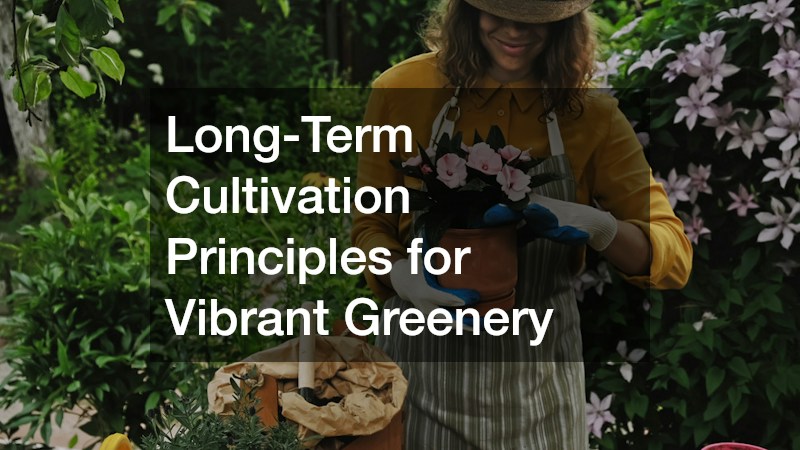
Gardening is an ongoing process that evolves alongside seasonal weather shifts. Building a successful home garden relies on developing seasonal routines that prepare plants for temperature swings, protect soil health, and prime growing zones for future production cycles.
As spring arrives, focus turns to clearing winter debris, loosening compacted soil, and applying fresh top-dressings of organic compost to wake up root systems and feed hungry spring bulbs. During hot summer months, priority shifts to deep, early-morning watering routines, applying liquid organic seaweed extracts, deadheading spent blooms, and monitoring foliage closely for signs of heat stress, drought damage, or pest activity.
Autumn requires preparing your grounds for winter dormancy and laying the foundation for next year’s spring growth:
- Perennial Insulation: Trimming back dead foliage, cleaning up fallen diseased leaves, and piling loose straw or shredded compost over root crowns to protect against severe ground frost.
- Cover Crop Seeding: Planting winter rye, field peas, or crimson clover in empty vegetable beds to fix nitrogen into the soil and prevent topsoil erosion during winter rains.
- Irrigation Winterization: Draining hose lines, blowing out underground sprinkler valves with compressed air, and insulating outdoor water spigots before freezing temperatures hit.
- Tool Maintenance: Cleaning, sharpening, and oiling pruners, spades, and hand tools before storing them away in dry sheds for the winter months.
- Soil Testing and Amending: Applying slow-acting soil amendments like agricultural lime or gypsum in late fall so winter snows can work them deep into the soil profile.
By honoring these natural seasonal rhythms, you protect your garden investment, prevent seasonal plant losses, and ensure your soil returns richer, stronger, and ready to burst into vibrant growth every spring.
Building a resilient, beautiful garden is a journey that yields rewards year after year. By prioritizing soil nutrition, mastering subterranean water management, utilizing vertical space, and applying sustainable plant protection methods, you create a self-supporting environment where plants naturally thrive. Every improvement made to your soil structure or drainage network compounds over time, reducing maintenance labor and water bills while increasing plant health.
The key to long-term success lies in taking a holistic approach—treating physical hardscaping, lawn care, tree management, and soil health as connected parts of a single, living home environment. Partnering with experienced professionals for heavy structural projects while keeping up with daily cultivation routines ensures your grounds remain manageable, beautiful, and healthy across every season.
Invest time in understanding your unique site conditions, choose plant species suited to your local microclimate, and maintain your grounds with patience. With consistent care, smart planning, and the right cultivation strategies, your home garden will serve as a continuous source of beauty, comfort, and pride for decades to come.